
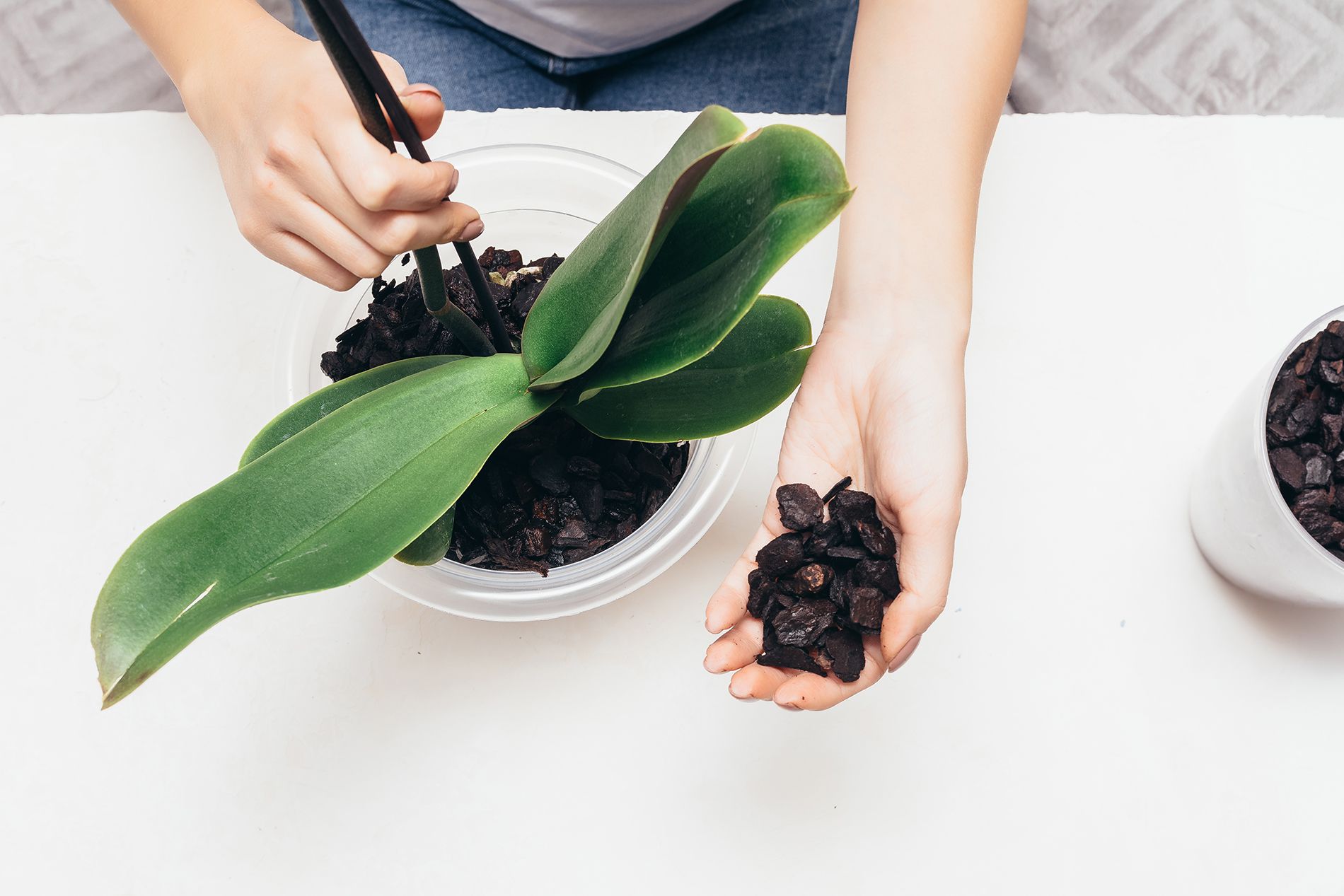
Orchid lovers want their plants to stay healthy and flower regularly at home or in the office. Thoughtful care matters. What should we do and avoid? This article explains how to repot an orchid and when, including the suitable season.
When should an orchid be repotted? In which month should the medium be changed?
A newly bought orchid, especially one in flower, usually does not need its pot and medium changed. Many people repot into a larger pot thinking this will improve growth, but afterwards some orchids lose flowers, suffer root rot and deteriorate. We recommend avoiding repotting newly bought flowering orchids.
The ideal time and season for repotting
Orchids are epiphytes in nature, anchoring with their roots to trees or rocks. They naturally grip the pot and growing medium. After developing sufficient roots, they can direct energy to flowering when suitable conditions are provided.
Repotting before the roots have filled the pot can affect the orchid or delay flowering. If roots do not yet firmly fill the pot, do not rush to change it or the medium. This may take 2–3 years after buying the plant.
Can an orchid be repotted while flowering?
As noted at the beginning, avoid changing the growing medium while the plant has flowers, as it may shed them.
Materials needed for repotting an orchid
- Clear pot with drainage holes
- Orchid growing medium
- Scissors
- Lighter
- Disinfectant
- An empty container
- Diluted activated charcoal or diluted cinnamon
- Orchid feed
We use the Solo Plant Orchid Repotting Set for this process. A video explaining the medium change is available from our YouTube channel at the end of the article. Related guide Related guide
First, open the set. The box contains a leaflet explaining how to change the growing medium, followed by a clear pot with holes, orchid feed, a pot and the growing medium.
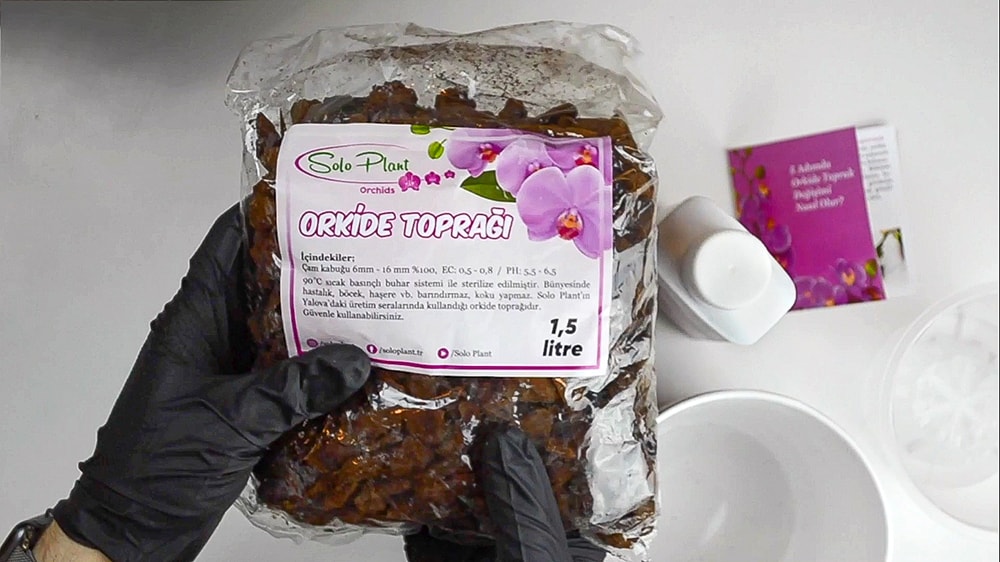
Step-by-step orchid repotting and medium change
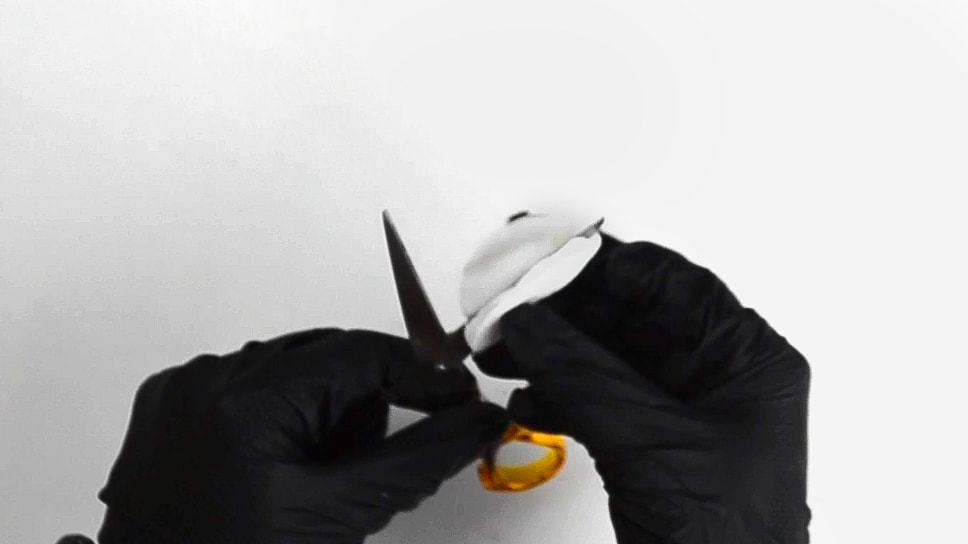 The article describes sterilising the scissors used for changing the orchid medium with flame and alcohol.
- Next, remove the support stake and clips from the plant.
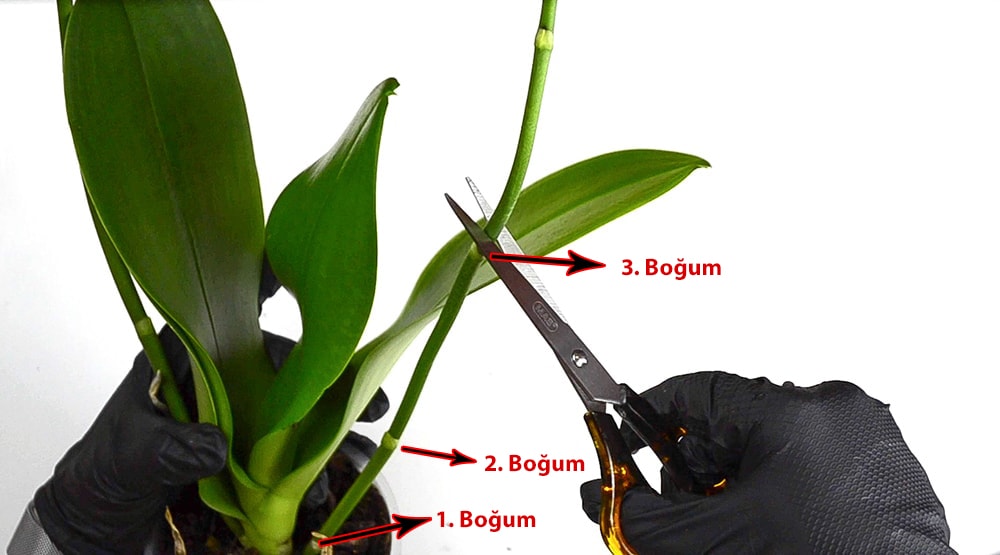 If the spike is healthy and green, cut 2–3 cm above the third node from the base using the cleaned and sterilised scissors.
- If the spike is dry, brown or yellow, cut 2–3 cm above its lowest node. Before changing the growing medium, make sure all flowers have fallen from the spikes.
- Now remove the plant from its old pot. Hold the base of an orchid whose roots have filled the pot and carefully take it out. Remove the old growing medium without damaging the roots.
- After removing the clear pot, clean the roots over a wide container. Remove attached pieces of medium gently without damaging them.
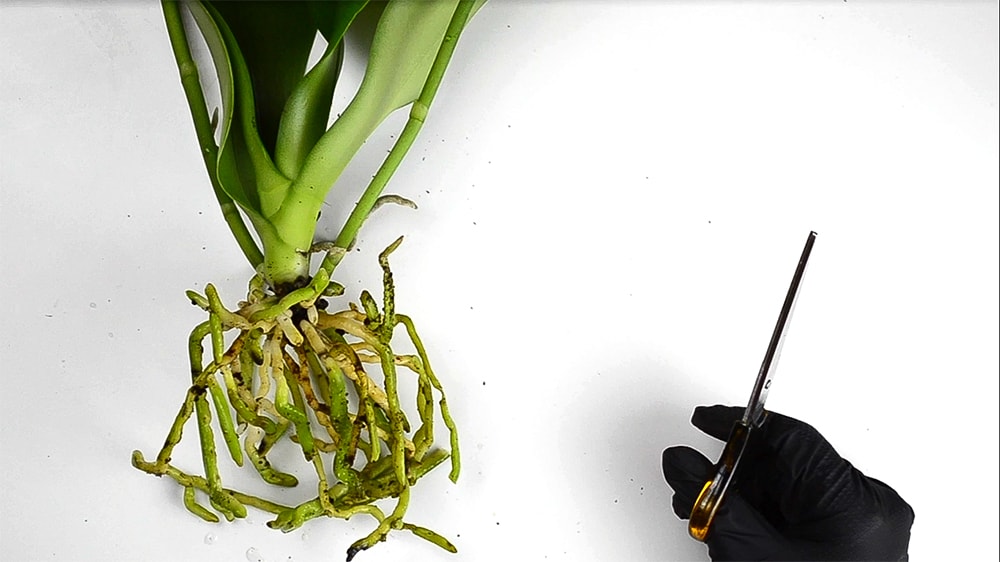 Now trim dead and rotten root sections. Distinguish soft or dry-looking brown roots from healthy green roots, and use the clean scissors again.
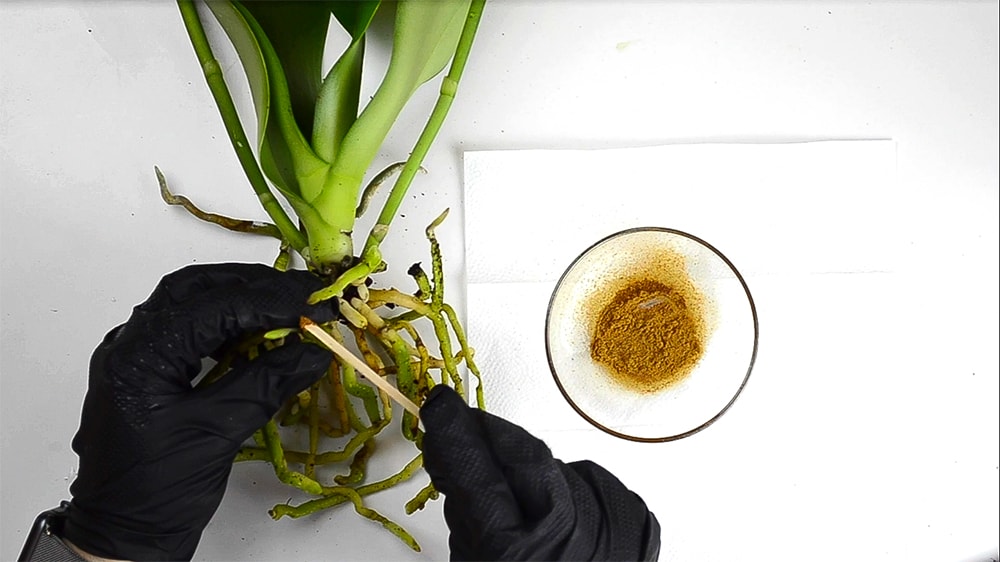 The article describes using diluted activated charcoal on healthy roots damaged during trimming and on cut ends to help prevent rot. Diluted household cinnamon is also described as an alternative. Mix the charcoal or cinnamon with a small stirrer and apply it to the cut areas, as a measure against fungal and bacterial infection.
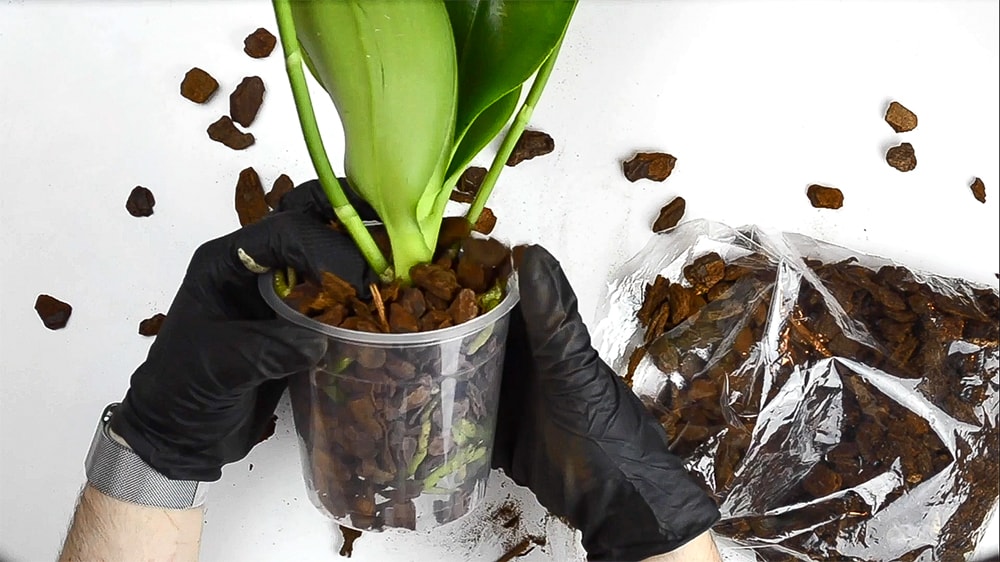 Place the plant into its new clear pot. Add a little fresh medium to the bottom, position the plant centrally and arrange root tips near the sides so they can be seen through the pot. Fill without damaging roots. Do not reuse the old growing medium during this process.
- With the plant centred, distribute the medium evenly around it. Take care not to leave empty spaces between the roots.
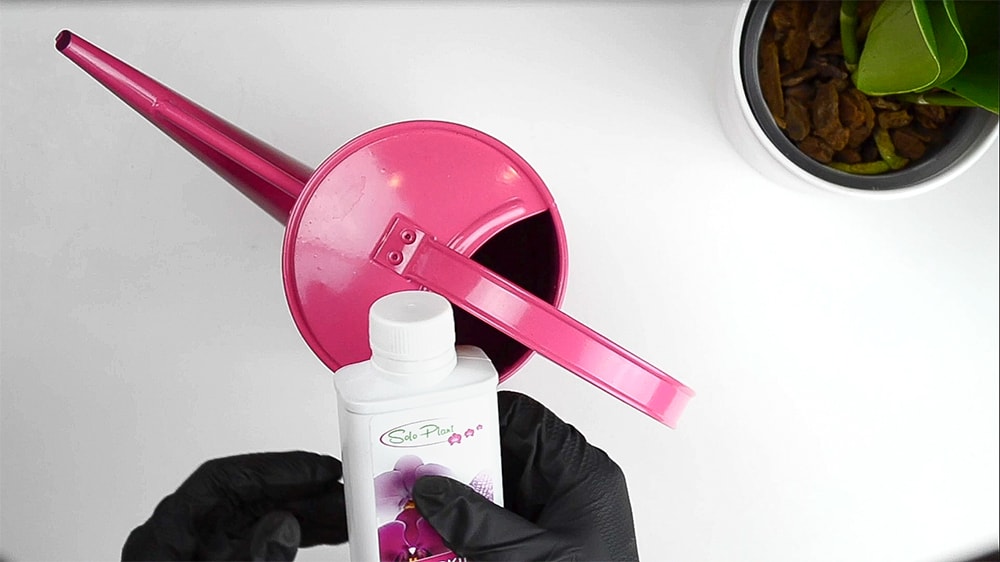 Finish filling to the level of the lowest leaf on the stem. Keep leaf bases above the medium and the orchid centred. After completing the planting, the article waters using Solo Plant Liquid Orchid Feed. Product details
- For this watering, the article adds 1–3 capfuls of liquid orchid feed to one litre of water and mixes it.
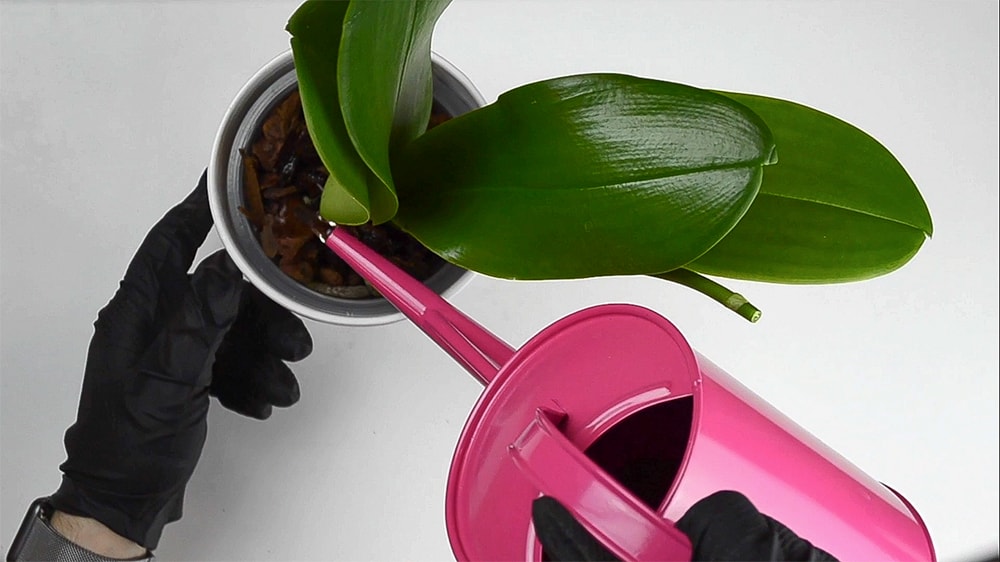 Water so that all of the medium becomes wet. Wait about 30 minutes for the water to drain into the outer pot, then carefully lift the plant out. Make sure water has drained thoroughly, empty the decorative pot and return the orchid to it.
These are the main points and tips for repotting orchids. Stay with us for more orchid care information and share your questions about changing the medium in the comments.
Comments