
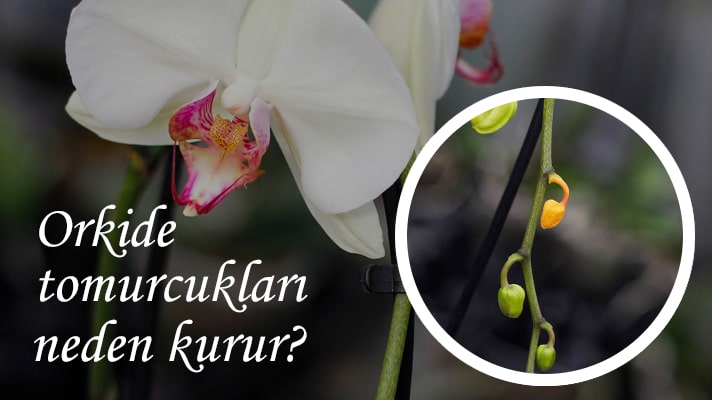
Orchids, especially Phalaenopsis Blume, are known for flowers that stay open for a long time. In suitable conditions they may remain open for 60–75 days, and in some varieties up to 90 days. Like any living plant, an orchid will eventually shed its flowers. But what if this happens sooner than expected? You want your orchids to stay healthy for years and flower regularly, yet their buds fall after you buy them. Why do orchids drop buds? Why do buds dry out? This article explains the care tips and recommendations behind these questions.
First, this can happen to many newly bought orchids and is often not your fault. We want you to know this and not feel discouraged. We grow our budding orchids at 18–21°C and 60–65% humidity, then pack them carefully for orchid lovers. Unfortunately, adverse weather and several changes of location before arrival can affect unopened buds first.
Why do orchid buds dry out?
With the right conditions, your orchids can live healthily for years and flower repeatedly without shedding their buds. Healthy orchids need several basic conditions: light, temperature, humidity and watering.
What are the key points of orchid watering?
 Watering is one of the most important factors in healthy orchid growth. Too much or too little water can cause orchids to lose buds before their flowers open.
What should orchid growing medium be like?
The structure of the growing medium also matters. One reason red pine bark is preferred is the spaces between bark pieces. These drain excess water, helping avoid water-related root and flower loss. Orchids should be watered only when needed and in the amount they need. This article describes roughly one glass of water every 4–6 days in summer and every 6–8 days in winter. One simple way to follow watering needs is root colour: light grey roots indicate a need for water; dark green roots do not.
How can I provide suitable humidity for my orchid?
Humidity is another factor in bud loss. Orchids originate in tropical conditions, so they prefer and need high humidity. The humidity described here for indoor orchids is 60–70%, although they may tolerate 50%. In an environment at or below 50%, the article warns that buds will fall.
How can I measure humidity at home?
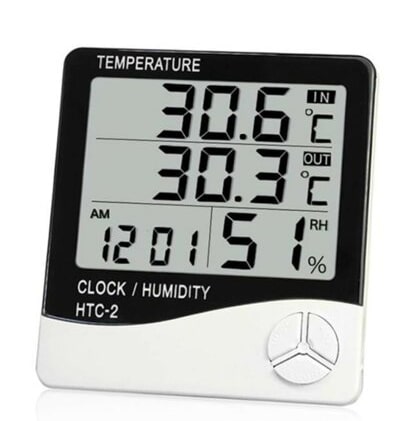 Search online marketplaces or their mobile apps for a “humidity and temperature meter”. Digital and analogue devices are available. These show your room’s temperature and humidity so you can check whether conditions suit your orchids.
How can humidity around the plant be increased?
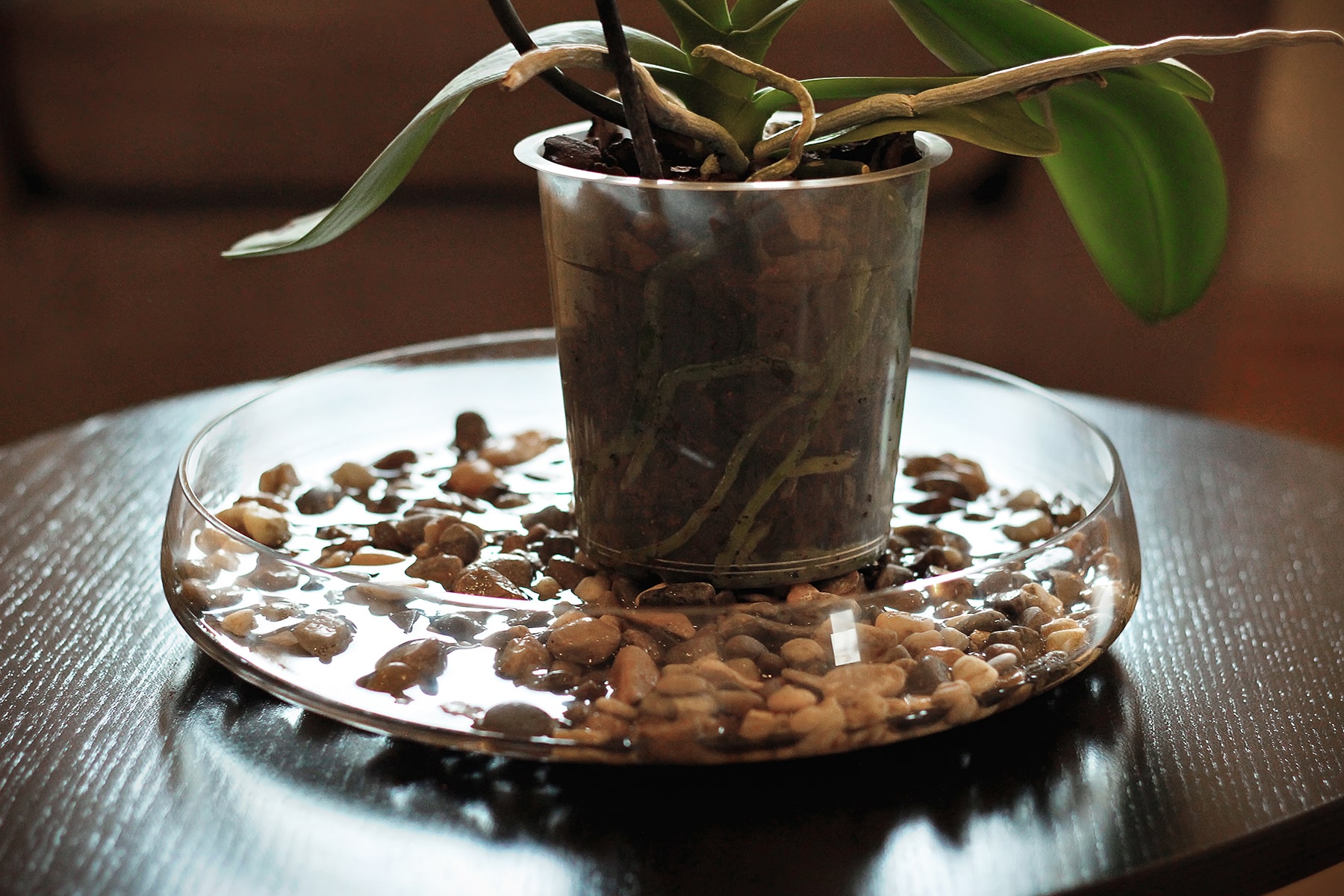
Rather than raising humidity throughout the whole room, there is a simpler method. It can provide moisture around the orchid while adding an attractive decorative feature to its surroundings.
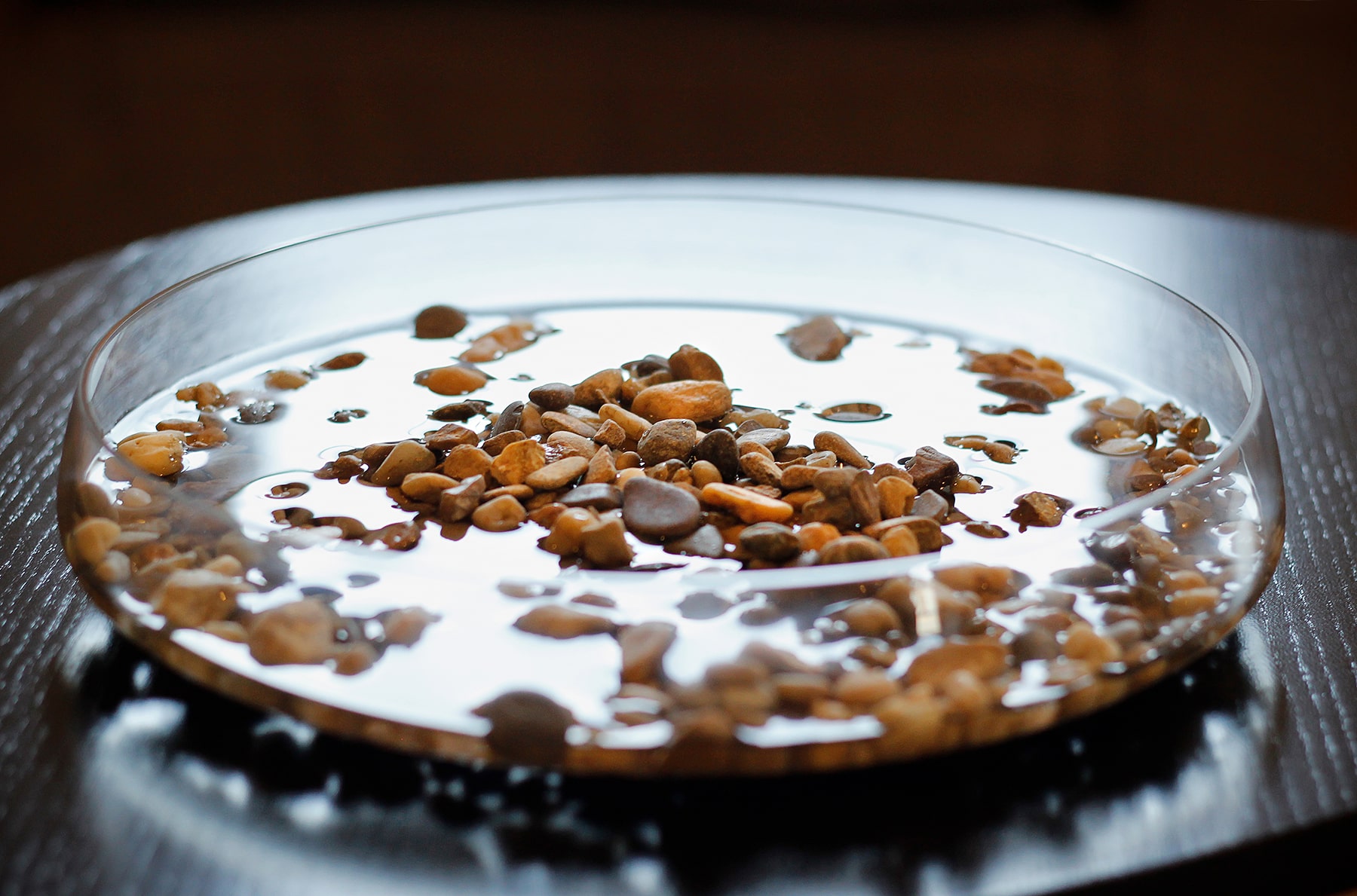
- Place pebbles in a wide glass or plastic bowl from an online shop or a home-decoration department to help increase humidity around your orchid.
- Add water without covering the tops of the pebbles. Position the orchid pot securely on the stones so that the orchid is not continuously in contact with water.
- Choose a bowl larger than the orchid pot or pots. If you already have a suitable bowl, you do not need to buy another. Once this arrangement is set up, the article suggests adding moisture to the leaves each morning with a spray bottle to contribute to the humidity they need.
Can light and temperature cause buds to dry out?
Alongside watering, light is important if you want to avoid yellowing, fading or loss of flowers and buds. Excessive direct light can burn flowers and buds, while insufficient light may leave buds unable to develop before they dry and fall. A room may seem bright enough to you because human eyes adapt to surrounding light, but does it provide suitable light for your orchid? That is the question to consider.
How do I know whether my home has the right light for my orchid?
The most accurate approach is a light meter, but it may not be easy to obtain or an economical option. Another method can help assess whether the light is suitable.
The American Orchid Society shared a practical method with orchid lovers. On a bright day, hold your hand about 30 cm above the orchid’s leaves. If there is no shadow, the orchid is probably in a location with insufficient light.

For orchids such as Phalaenopsis that need less light than some other orchids, a faint hand shadow—the hand on the left—indicates a suitable amount. For Vanda R.Br. and Cymbidium Sw., a sharp shadow—the hand on the right—indicates enough light.
The ideal temperature for orchids
Temperature is another basic condition for healthy orchids. The ideal temperature described here is 18–24°C. Differences between day and night temperatures, particularly in winter, create a suitable range for flowering. Orchids at home often flower more in winter. Outside these temperatures, they may not enter the flowering stage or may lose buds and flowers more quickly. Like all living things, orchids try to survive and may sacrifice flowers and buds first to maintain their own living conditions.
The importance of air quality
Orchids are particularly sensitive to the air around them. Besides a clean, fresh environment, chemical gases and smoke can threaten the health of flowers and buds.
Ventilate the room frequently, but avoid exposing the plant to direct draughts from outside. Keep it away from scented soaps, detergents and fumes from pesticides. It is also useful to keep it away from fruit and vegetables that release ethylene gas, a cause of bud and flower loss that many people do not know about.
Why do orchid buds dry before opening? A summary
- When bringing orchids home, the article suggests leaving them in their bag for 2–3 hours rather than removing it immediately, to help them adjust to room temperature.
- Watch humidity in the room where you place the orchid; it should not be too low or the air too dry.
- Light is very important. A bright spot near a window without prolonged direct sun can help a new orchid adapt more quickly.
- Severe dryness can also affect buds. Water a newly bought orchid without excessive delay according to the colour of roots inside its pot.
- Draughts can cause bud loss. Ventilating the room can benefit your orchid, but do not leave the plant directly in the draught while doing so.
- Repotting and changing the medium while an orchid is flowering—a common mistake—can cause flowers and unopened buds to fade quickly. Related guide
- According to the article, a newly bought orchid does not need fertiliser while flowering, and some fertilisers applied at that stage can make flowers fade early.
- Placing a new orchid too close to radiators in winter, in direct window sunlight in summer, or in a direct air-conditioning draught can harm the plant and its flowers.
- Buds can also fall before opening when root growth is inadequate or roots have rotted from overwatering. In this case, the article recommends pruning the flower spike and caring for the plant’s recovery.
You have read the main information and tips on why flowers and buds fall, and how to help prevent this. Stay with us for more orchid care content and feel free to share further questions in the comments. We wish you enjoyable days with healthy orchids full of flowers.
Comments